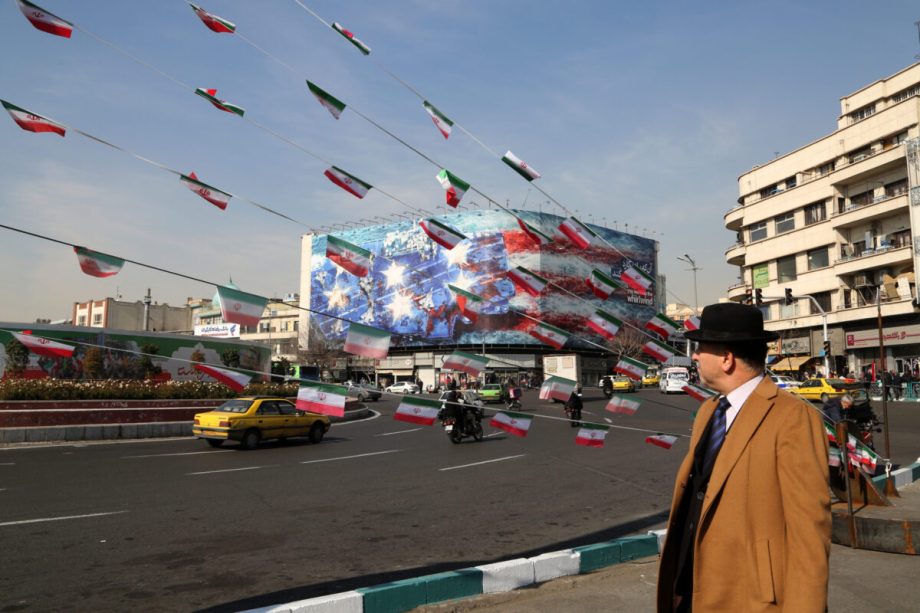
A New Axis: Iran and Russia's Strategic Convergence Amidst Western Pressure
In an increasingly multipolar world, the relationship between Iran and Russia has evolved into a formidable strategic alliance, reshaping geopolitical dynamics, particularly in the face of Western sanctions and ongoing conflicts. While their historical ties have been complex, often oscillating between cooperation and rivalry since official contact began in 1521, the post-Soviet era has witnessed a profound convergence of interests. This partnership, driven by a shared antagonism towards Western, particularly
US-Iran Conflict: Nuclear Ambition Risks Regime Destruction, foreign policy and a mutual need to circumvent international isolation, stands as a critical axis in the Caucasus and a significant force in the Middle East and beyond. This article delves into the multifaceted dimensions of this alliance, exploring its historical roots, military and economic underpinnings, and implications for global security.
From Tumultuous History to Pragmatic Partnership: The Evolution of Iran-Russia Relations
The long history of interaction between Russia and Iran is a tapestry woven with threads of both collaboration and fierce competition. For centuries, the Grand Duchy of Moscow and the Persian Empire engaged in a delicate balance of power, marked by periods of relative amity and overt aggression. The establishment of the Russian Empire in 1720, spearheaded by Peter the Great's assertive campaigns into Iran and the Caucasus, inaugurated an era of Russian dominance. The 19th and early 20th centuries saw Russia play an often oppressive role, significantly hindering Iran's development. This shadow of the "big northern neighbour" persisted through much of the Soviet period, fueling deep-seated caution and distrust within Iran.
However, the dissolution of the Soviet Union marked a pivotal turning point. Freed from ideological constraints and facing new geopolitical realities, both nations began to re-evaluate their relationship. Under President Vladimir Putin, Russia actively pursued closer ties with Iran, recognizing its strategic importance in the Middle East and Central Asia. This shift was not merely a matter of convenience but a strategic realignment based on shared grievances against a perceived unipolar world order dominated by the United States. Today, Iran and Russia stand as strategic allies, forming an axis in the Caucasus alongside Armenia, and collaborating extensively on regional and international issues. This pragmatic partnership, while not devoid of historical complexities, prioritizes immediate geopolitical advantages and mutual support in challenging Western hegemony.
Military Muscle and Regional Impact: Deepening Cooperation in Conflict Zones
The military dimension of the Iran-Russia alliance is arguably its most visible and impactful facet. Russia has emerged as the chief supplier of arms and weaponry to Iran, a crucial lifeline for a nation under stringent international sanctions. This military patronage extends beyond mere sales, encompassing deep operational coordination in various conflict zones.
Syria, Iraq, and Ukraine: A Shared Battlefield
In Syria, Iranian and Russian forces have been instrumental in propping up the Assad regime, showcasing a coordinated effort to project power and counter Western influence. Their combined military operations, including air support from Russia and ground forces and proxies from Iran, dramatically altered the course of the civil war. Similarly, both countries are partners in the complex security landscapes of Iraq and Afghanistan, working to stabilize regions where Western interventions have often fallen short.
The most recent and concerning aspect of their military cooperation has unfolded in Ukraine. Reports indicate that Iran has supplied Russia with advanced drones, significantly impacting the ongoing conflict and demonstrating Iran's willingness to support Russia in direct confrontation with Western-backed forces. This transfer of military technology raises concerns about proliferation and the potential for a quid pro quo relationship where Iran could benefit from advanced Russian military hardware.
Iran's Missile Program and US Counter-Actions
Beyond direct military assistance, Russia’s support provides a critical shield, allowing Iran to pursue its regional ambitions, including the development of its ballistic missile program. This program, as former NATO official William Alberque has highlighted, poses a significant threat not only to Israel but also to other Gulf states. Recent strikes attributed to Iran against Gulf states underscore these escalating regional tensions. The Gulf states’ historical opposition to the original Iran deal stemmed precisely from its failure to address Iran’s regional missile capabilities, recognizing the profound destabilizing potential.
The growing strength of this alliance has not gone unnoticed by the United States. In the early stages of joint US-Israeli strikes on Iran, the US military confirmed striking an Iranian vessel in the Gulf of Oman, which CentCom claimed was sinking. This direct military engagement, coupled with the tragic loss of three US service members and injuries to several others in subsequent strikes, demonstrates the gravity of the US response to Iranian actions and the dangerous escalatory potential stemming from the
Iran's Missile Threat: Gulf States, Regional Peace, and US Strikes. The continued presence and actions of US forces in the region, including calls for Iranian armed forces to "lay down your weapons," highlight the direct confrontation between **iran us russland** interests.
Navigating the Nuclear Minefield: Shared Adversity and Western Red Lines
The nuclear issue remains a critical flashpoint in the broader international perception of Iran, and by extension, its alliance with Russia. William Alberque's stark warning to Iranian leadership — that continuing down the path of nuclear material accumulation and opacity risks "guaranteeing regime destruction" rather than gaining leverage — resonates deeply within Western policy circles. The call for Iran to pledge full transparency to the International Atomic Energy Agency (IAEA) and divest its nuclear material reflects a firm international consensus that Iran's pursuit of atomic weapons capabilities is a significant threat to global peace and stability.
For Russia, its relationship with Iran serves multiple strategic purposes within this context. While Russia has historically been involved in Iran's civilian nuclear program, its current role is more about leveraging Iran's stand-off with the West. The shared experience of being subjected to heavy Western sanctions has forged a stronger bond, pushing both **iran us russland** further into an interdependent economic and military partnership. Russia, itself a nuclear power and a permanent member of the UN Security Council, complicates international efforts to rein in Iran's nuclear ambitions, often acting as a counterweight to Western pressures.
This convergence under shared adversity is a defining characteristic of the alliance. Both nations perceive Western sanctions as tools of coercion designed to undermine their sovereignty and political systems. Consequently, their collaboration extends to finding innovative ways to bypass these restrictions, particularly in critical sectors like energy. Russia has become a vital trading partner for Iran, especially concerning its excess oil reserves, providing an economic lifeline that mitigates the impact of Western embargoes. This economic resilience, bolstered by mutual support, reinforces their strategic alignment and their collective defiance of Western-imposed norms.
Conclusion: A Durable Alliance Reshaping Global Dynamics
The strategic alliance between Iran and Russia is a complex, multifaceted phenomenon with profound implications for international relations. Born out of a turbulent history, it has been forged into a pragmatic partnership by shared geopolitical interests, mutual economic necessity under Western sanctions, and a common opposition to what both perceive as US hegemony. From coordinating military operations in Syria and Iraq to supporting each other in their respective confrontations with the West, **iran us russland** have demonstrated a deepening commitment to their collaborative axis.
While the long-term sustainability and internal dynamics of this alliance will continue to evolve, its current trajectory suggests a durable partnership. It not only challenges established power structures in the Middle East and Eastern Europe but also necessitates a reassessment of international security frameworks by global powers. Understanding the intricate layers of this alliance – from historical grievances to modern-day military and economic interdependence – is crucial for navigating the increasingly complex and multipolar world order that is taking shape.